
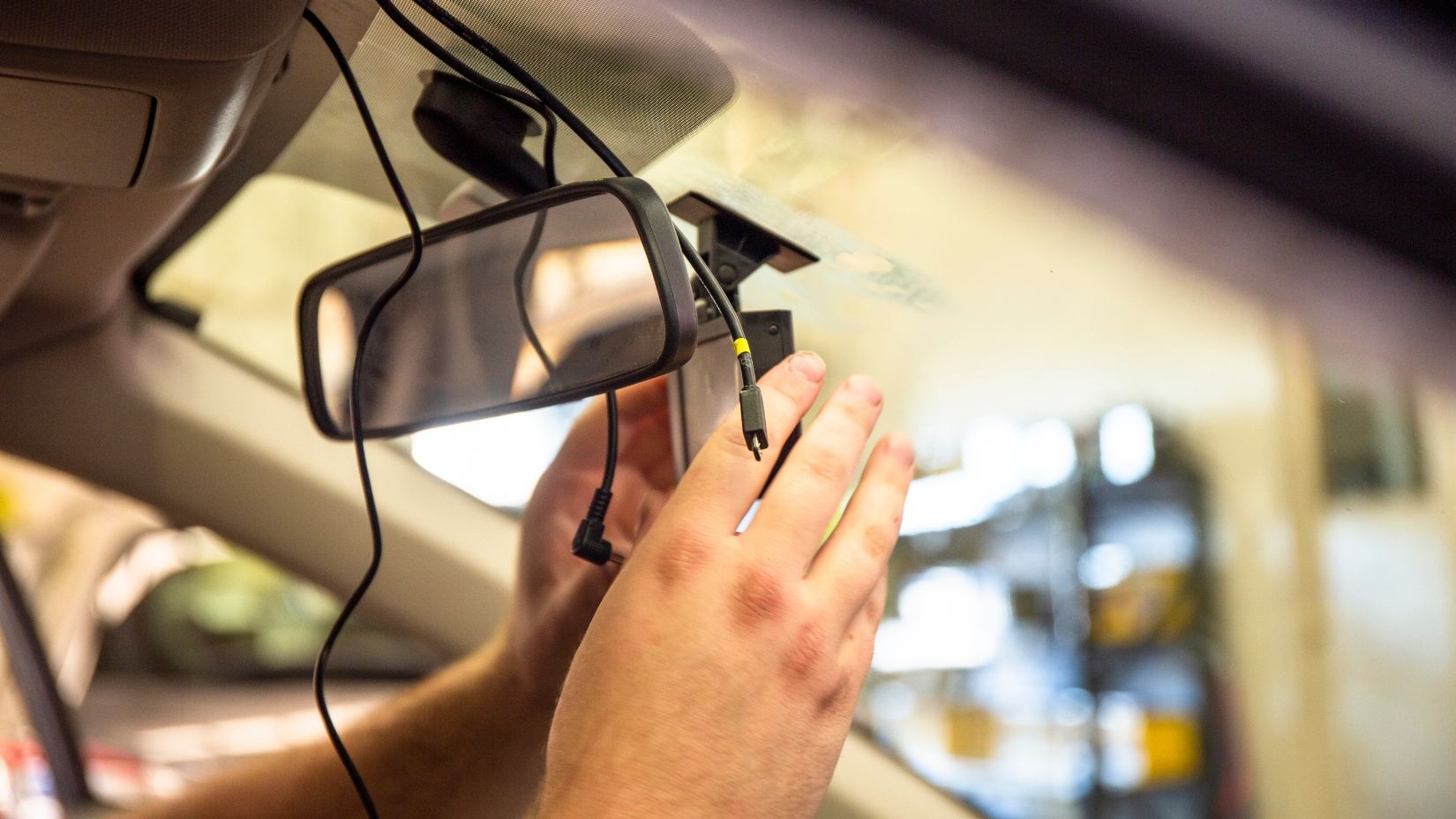
Fleet technology has never been more powerful.
Telematics platforms track vehicles in real time. AI dash cams identify risky driving behaviors. Maintenance software monitors vehicle health. Fuel management systems uncover inefficiencies. Digital inspections streamline compliance.
Yet many organizations still manage each of these tools independently.
The result? More software, more dashboards, and more work.
As fleets continue investing in emerging technology, the competitive advantage no longer comes from adding another platform. It comes from connecting the technology you already have.
For medium and large fleets, integration is quickly becoming the difference between collecting data and making better business decisions.
What Does It Mean When Fleet Technology Lives in Silos?
Technology silos occur when fleet systems operate independently instead of sharing information.
One platform manages GPS tracking. Another handles maintenance schedules. A separate application stores dash cam footage. Fuel reporting lives somewhere else. Driver inspections and compliance records require yet another login.
Each solution may perform its individual task well, but together they create operational blind spots.
Instead of providing one complete picture of fleet performance, disconnected systems force managers to assemble information manually before they can make informed decisions.
As fleets grow, so does the complexity.
What Problems Do Disconnected Fleet Systems Create?
The cost of disconnected technology is rarely obvious at first.
It appears in small inefficiencies that compound every day.
Duplicate Administrative Work
When systems don’t communicate, information often has to be entered multiple times.
New drivers, vehicle updates, asset information, and operational changes are repeated across several platforms, increasing the likelihood of errors while consuming valuable administrative time.
Limited Operational Visibility
Fleet managers shouldn’t have to compare multiple dashboards before understanding what’s happening.
When safety data, maintenance records, vehicle locations, and driver performance exist in different systems, identifying trends becomes significantly more difficult.
Leaders spend more time gathering information and less time acting on it.
Slower Decision-Making
Emerging technology is supposed to accelerate decisions, not delay them.
Disconnected systems create unnecessary friction because managers must verify information across several applications before responding to an issue.
That delay matters when dealing with vehicle breakdowns, safety events, customer requests, or changing operational priorities.
More Complexity as Fleets Grow
What works for twenty vehicles rarely works for five hundred.
As organizations expand into new regions, add vehicle types, or adopt additional technology, disconnected systems become increasingly difficult to manage.
Without an integrated approach, growth often adds administrative burden instead of operational efficiency.
What Are the Benefits of an Integrated Fleet Management Platform?
A connected fleet platform changes how information flows throughout an organization.
Instead of isolated systems competing for attention, data becomes part of one operational ecosystem.
One Source of Truth
When vehicle information, driver activity, safety events, maintenance records, and operational reporting are connected, everyone works from the same information.
That improves collaboration between operations, safety, maintenance, dispatch, and leadership teams.
Questions are answered faster because the data already exists in context.
Better Reporting and Analytics
Integrated platforms make reporting significantly more valuable.
Rather than reviewing isolated metrics, fleet managers can understand how different operational factors influence one another.
For example:
- Are maintenance issues affecting vehicle utilization?
- Are safety events concentrated on specific routes?
- Do certain operational practices increase fuel consumption?
- Which trends deserve immediate attention?
Connected reporting helps answer these questions with greater confidence.
Faster Workflows
A unified platform reduces unnecessary manual processes.
Instead of moving between multiple applications throughout the day, teams can complete more work from a centralized environment.
That saves time, reduces administrative effort, and allows employees to focus on higher-value activities.
How Does Integration Improve Fleet Safety and Efficiency?
Technology becomes more valuable when systems work together.
Imagine an AI dash cam identifying a risky driving event.
Instead of storing that information in a separate application, the event can be connected with the driver’s record, vehicle history, GPS location, and fleet reporting.
Maintenance teams can see whether recurring vehicle issues contribute to driver events.
Operations managers gain additional context before coaching conversations.
Leadership receives clearer reporting without requesting information from multiple departments.
The same principle applies to maintenance.
Vehicle diagnostics can automatically support maintenance planning instead of relying on manual inspections or reactive scheduling.
The result is faster decisions supported by more complete information.
What Should You Look for in a Unified Fleet Solution?
Not every platform delivers the same level of integration.
As your fleet grows, look for technology that supports long-term operational flexibility rather than solving only today’s challenges.
Key considerations include:
- Scalability for growing fleets
- Integration with existing business systems
- Centralized reporting and analytics
- User-friendly dashboards
- Reliable data sharing between operational functions
The goal is not simply fewer applications.
The goal is creating an environment where technology supports collaboration instead of creating more work.
Connected Technology Creates Smarter Fleets
Emerging technology continues to transform fleet operations, but its greatest value comes from connection rather than complexity.
Organizations that integrate telematics, AI video, maintenance, reporting, and operational workflows gain better visibility into their business while reducing administrative overhead.
At fssGO, we believe technology should simplify fleet operations, not fragment them. Through collaborative planning, responsive solutions, and White Glove execution, we help organizations deploy connected fleet technologies that work together from day one and continue delivering value as operations evolve.
If your team is managing multiple disconnected platforms, now is the time to rethink how your technology works together.
Planning your next fleet technology deployment? Contact fssGO today.