
After 10+ years of being the hardest working team in IT, we've learned a few things. For the latest enterprise network and IT tips, thoughts, solutions, and news - read and subscribe to our blog.
Viewing: fleet telematics

The Small Fleet Safety Details That Become Big Risks
What small fleet safety details create the biggest risks? The most dangerous fleet safety risks are not always dramatic. Sometimes it is a seat belt alert that nobody reviews. A camera that shifted slightly out of position. A driver assigned to the wrong vehicle. A maintenance warning that stayed open too long. A coaching task that disappeared into a manager’s...
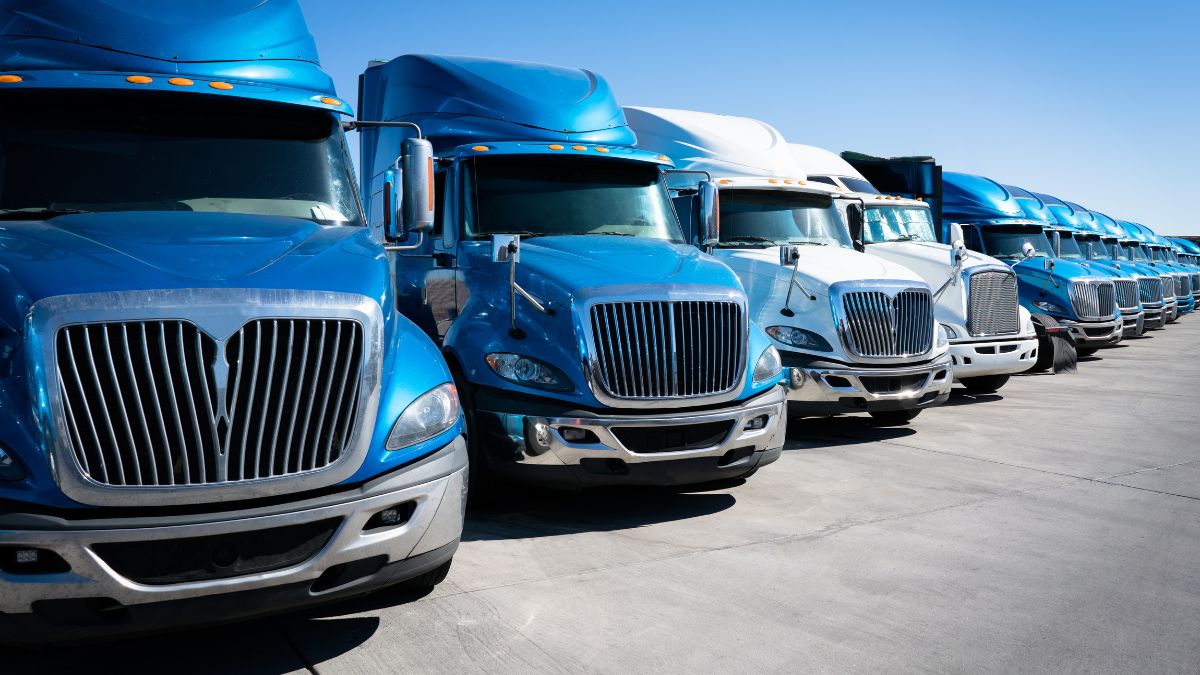
The Safety Settings You Should Revisit After a Fleet Technology Rollout
Which Fleet Safety Settings Should You Review After a Telematics Rollout? After a fleet technology rollout, the fleet safety settings you should revisit are your alert thresholds, driver behavior settings, coaching workflows, camera configurations, user permissions, reporting rules, maintenance alerts, and notification routing. Why? Because go-live gives you technology. Real-world operation tells you whether you configured that technology correctly. Initial...

The Cost of Waiting: What Reactive Fleet Safety Really Costs Your Organization
What Does Reactive Fleet Safety Really Cost? Reactive fleet safety costs more than vehicle repairs. A serious incident can create claims expenses, downtime, lost productivity, administrative work, replacement labor, customer disruption, legal exposure, and pressure on the people responsible for keeping the fleet moving. More importantly, reactive safety forces an organization to absorb the consequences before it changes the behavior...
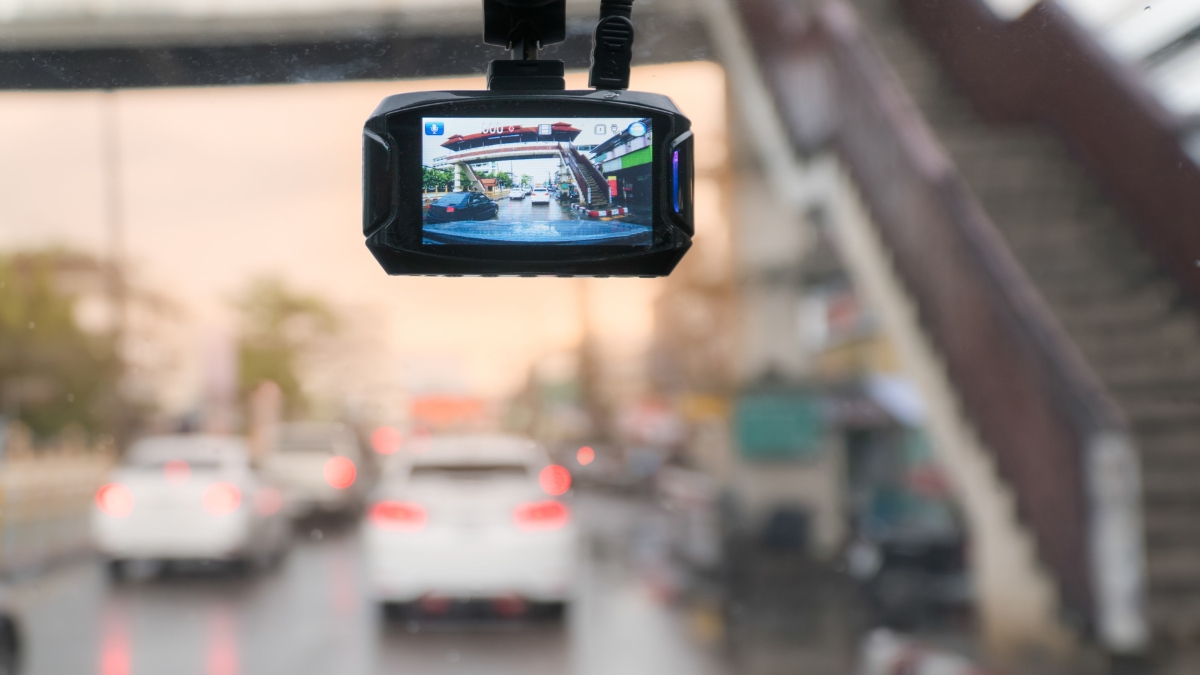
How Telematics Help Reduce Fleet Risk and Prevent Accidents
How Telematics Helps Prevent Fleet Accidents Fleet telematics helps organizations identify unsafe driving patterns, vehicle concerns, and emerging risk trends before they turn into incidents. Instead of waiting for a crash report to explain what went wrong, fleet leaders can use real-time data, alerts, video, analytics, and coaching workflows to intervene earlier. That changes the safety equation. Traditional fleet safety...
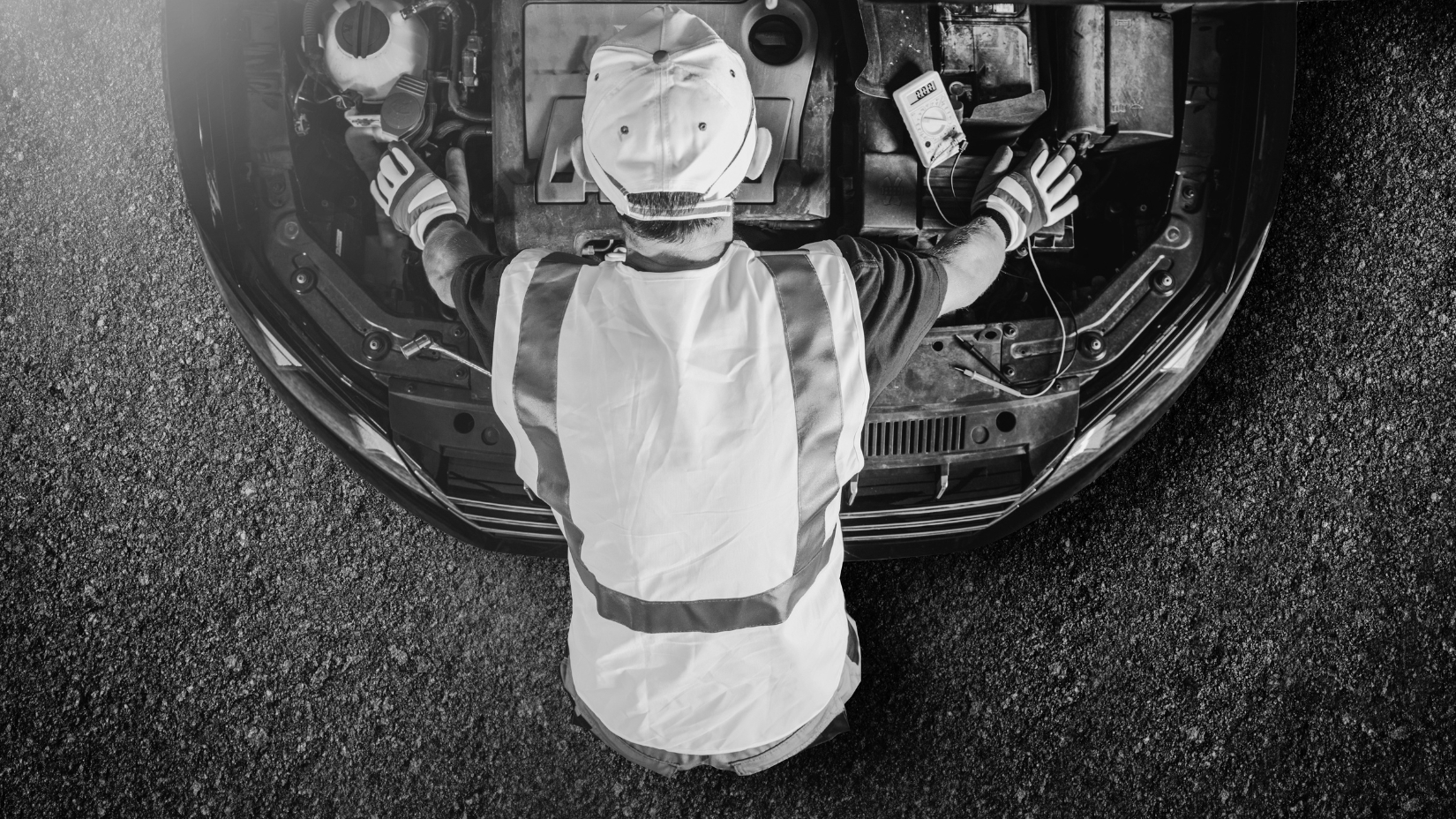
What Is Predictive Fleet Maintenance and How Does It Work?
Unexpected vehicle breakdowns rarely happen at a convenient time. A truck breaks down on the side of the highway. A service vehicle misses its first appointment of the day. A delivery route falls behind schedule. Customers wait, technicians scramble, and operating costs continue to climb. For decades, fleets have relied on reactive repairs or scheduled preventive maintenance to keep vehicles...
How AI Is Transforming Fleet Management in 2026
Artificial intelligence has moved beyond the hype. For commercial fleets, AI is no longer a futuristic concept or a feature reserved for early adopters. It’s becoming a practical business tool that helps organizations improve safety, streamline operations, and make better decisions every day. That shift matters because fleet managers aren’t looking for more technology. They’re looking for technology that solves...
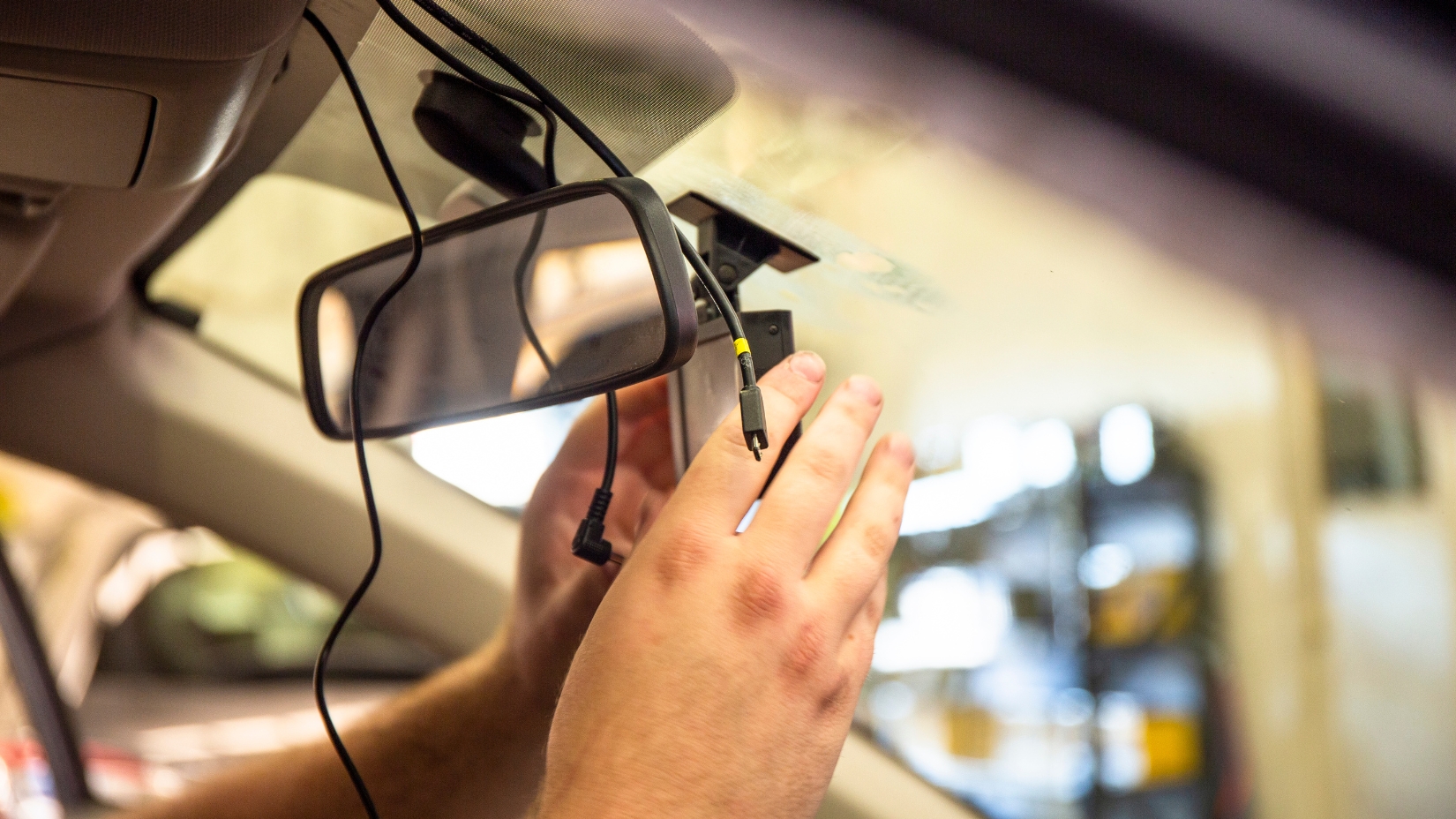
Why Fleet Technology Shouldn’t Live in Silos
Fleet technology has never been more powerful. Telematics platforms track vehicles in real time. AI dash cams identify risky driving behaviors. Maintenance software monitors vehicle health. Fuel management systems uncover inefficiencies. Digital inspections streamline compliance. Yet many organizations still manage each of these tools independently. The result? More software, more dashboards, and more work. As fleets continue investing in emerging...

AI Dashcams vs Traditional Dashcams: What’s the Difference?
A dash cam can show you what happened. An AI dash cam can help you do something about it before the next incident. That distinction is changing how commercial fleets think about dash cams. Traditional dash cams gave fleet managers useful evidence after collisions, complaints, and other road events. AI dash cams take the next step by analyzing what is...
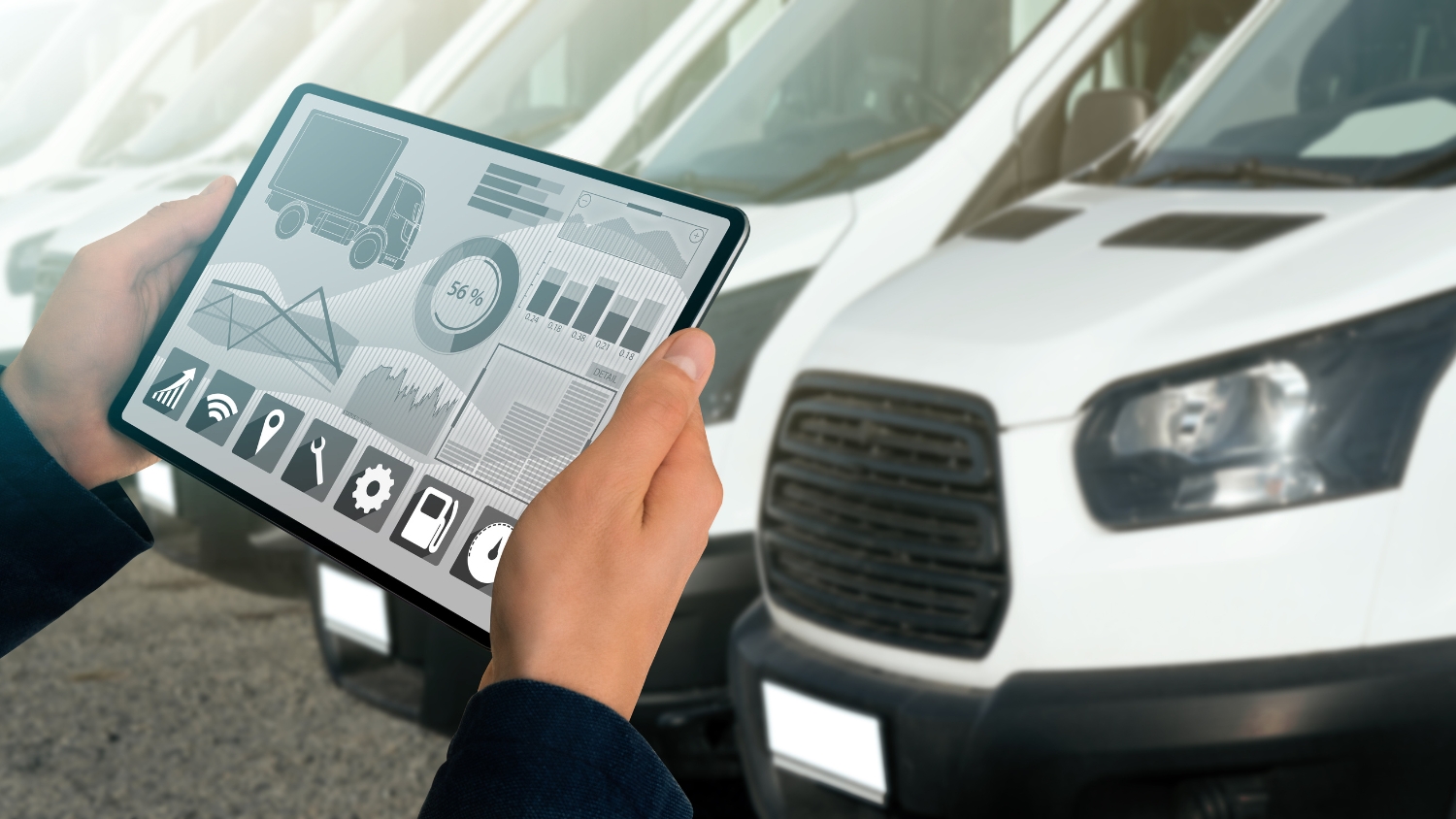
How to Choose the Right Nationwide Fleet Technology Installation Partner
Selecting the right fleet technology is a major decision, but choosing the right installation partner can have an even greater impact on the success of your deployment. As fleets expand across multiple regions, facilities, and vehicle types, installation becomes far more than a technical exercise. It becomes a coordinated operational initiative that demands consistency, communication, and careful execution at every...