
After 10+ years of being the hardest working team in IT, we've learned a few things. For the latest enterprise network and IT tips, thoughts, solutions, and news - read and subscribe to our blog.
Viewing: logistics tech

What Is Predictive Fleet Maintenance and How Does It Work?
Unexpected vehicle breakdowns rarely happen at a convenient time. A truck breaks down on the side of the highway. A service vehicle misses its first appointment of the day. A delivery route falls behind schedule. Customers wait, technicians scramble, and operating costs continue to climb. For decades, fleets have relied on reactive repairs or scheduled preventive maintenance to keep vehicles...
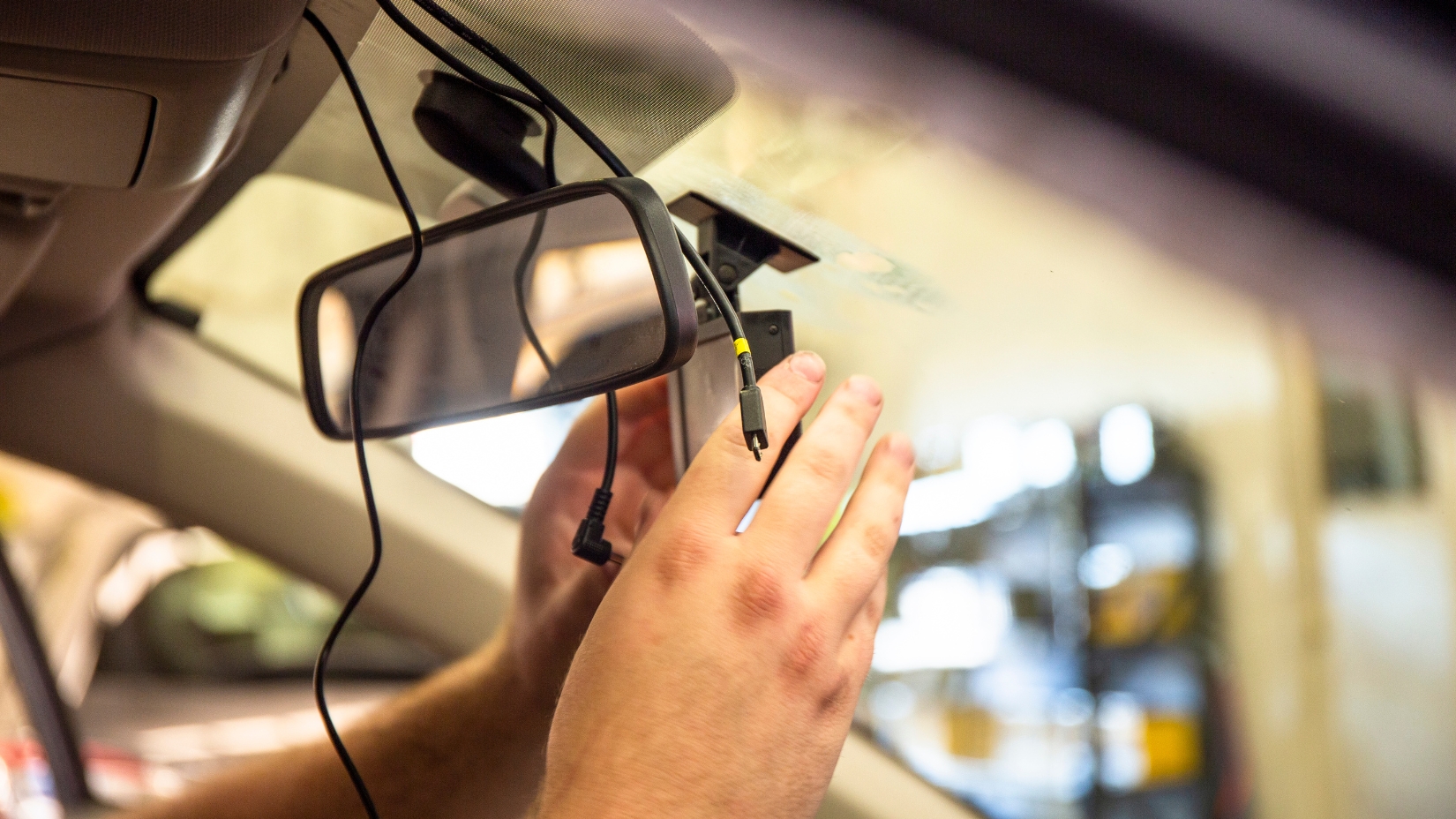
Why Fleet Technology Shouldn’t Live in Silos
Fleet technology has never been more powerful. Telematics platforms track vehicles in real time. AI dash cams identify risky driving behaviors. Maintenance software monitors vehicle health. Fuel management systems uncover inefficiencies. Digital inspections streamline compliance. Yet many organizations still manage each of these tools independently. The result? More software, more dashboards, and more work. As fleets continue investing in emerging...

AI Dashcams vs Traditional Dashcams: What’s the Difference?
A dash cam can show you what happened. An AI dash cam can help you do something about it before the next incident. That distinction is changing how commercial fleets think about dash cams. Traditional dash cams gave fleet managers useful evidence after collisions, complaints, and other road events. AI dash cams take the next step by analyzing what is...
How to Plan a Successful Fleet Technology Deployment from Start to Finish
Fleet technology has never been more capable. Modern solutions provide real-time visibility, strengthen driver safety, simplify compliance, and deliver the operational insights fleet leaders need to make faster decisions. Yet many technology investments never achieve the return organizations expected. The problem usually isn’t the platform. It’s the deployment. A successful fleet technology deployment requires thoughtful planning long before the first...

How Logistics Planning Reduces Fleet Technology Rollout Delays
How Does Logistics Planning Reduce Fleet Technology Rollout Delays? Logistics planning reduces fleet technology rollout delays by coordinating asset data, equipment, vehicles, installation locations, technicians, and schedules before installation begins. It helps ensure the correct technology is prepared and delivered to the right location when the vehicle and technician are both available. For large-scale fleet deployments, delays often aren’t caused...

How Pre-Configured Fleet Technology Reduces Deployment Risk and Installation Time
Large fleet technology deployments rarely fail because of one big mistake. They lose time through hundreds of small ones. Pre-configured fleet technology reduces that risk by ensuring devices are tested, assigned, labeled, configured, and ready for installation before they reach the field. For large telematics rollouts, that preparation means faster installs, less vehicle downtime, cleaner data, and fewer surprises at...
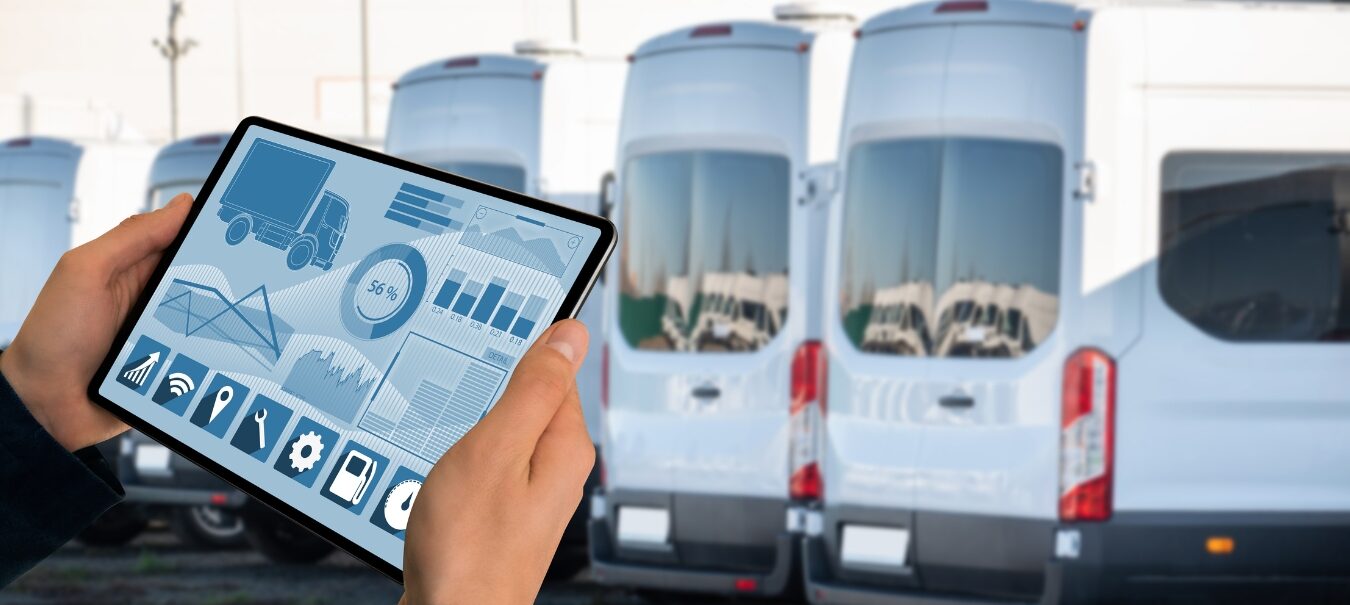
Telematics Installation Guide for Fleet Rollouts in 2026
What Makes a Telematics Installation Successful in 2026? A successful telematics installation in 2026 starts with one decision: treat the rollout like an operational mission, not a hardware appointment. Most fleets do not fail because the technology lacks power. They fail because the execution lacks discipline. Devices arrive late. Vehicles do not get staged. Dashboards do not match reality. Drivers get weak...

Why Do Fleet Telematics Rollouts Fail and How Do You Prevent It?
What Causes a Fleet Telematics Rollout to Fail? A telematics rollout fails when leaders treat it like a software launch instead of an operational transformation. That mindset turns good platforms into bad outcomes. The system goes live, dashboards populate, drivers get confused, managers lose trust, and ROI gets buried under noise. Fleet telematics rollouts typically fail due to: Poor project...

What Are the Benefits of a Professional Fleet Telematics Installation?
Why a Professional Telematics Installation Matters for Every Fleet Professional fleet telematics installation ensures GPS trackers, cameras, sensors, and vehicle gateways are installed correctly, configured properly, and validated before vehicles return to service. For large fleets, professional installation improves data accuracy, minimizes downtime, increases driver adoption, and helps organizations achieve faster ROI from their telematics investment. Most fleets don’t fail...