
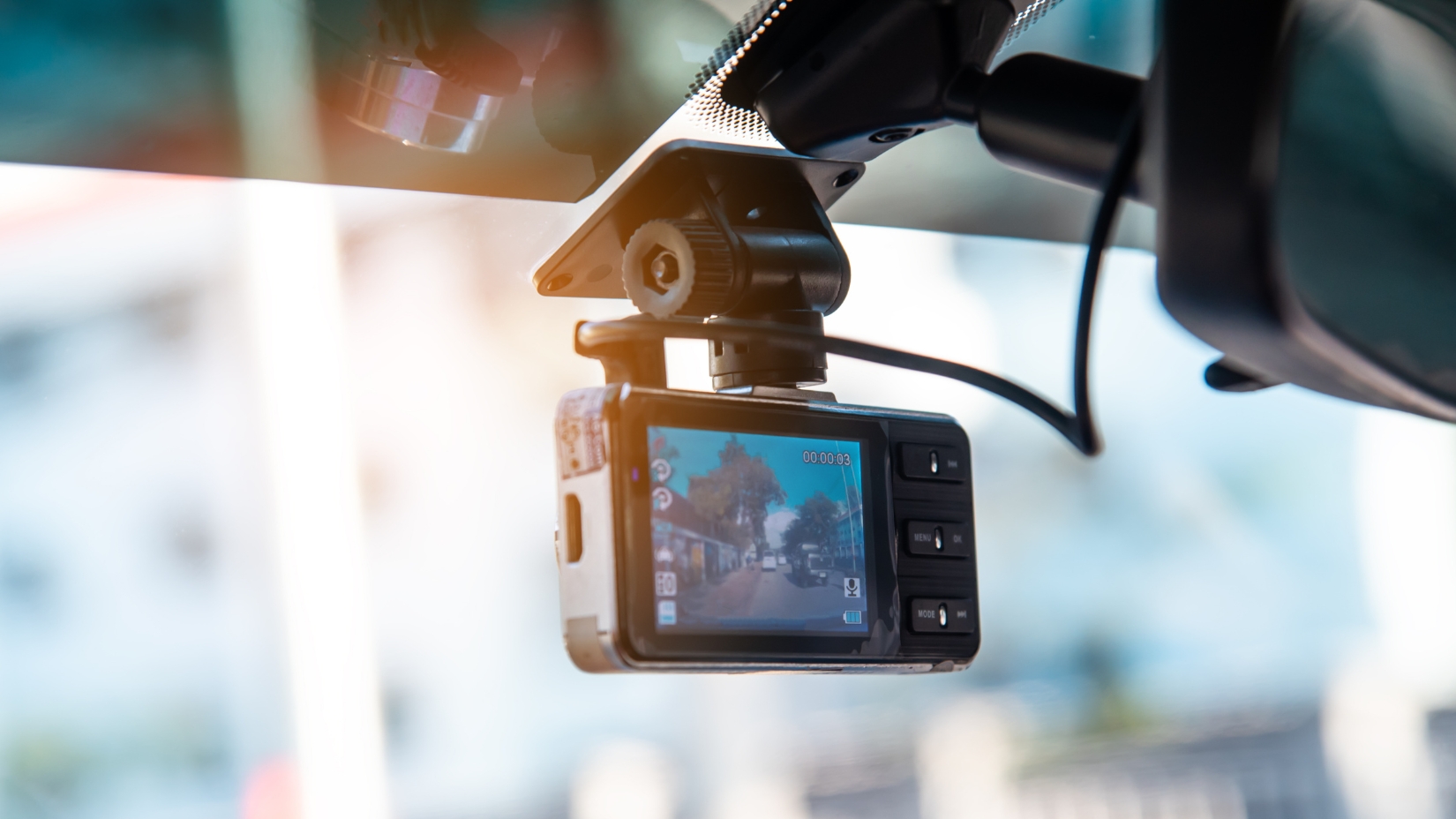
A dash cam can show you what happened.
An AI dash cam can help you do something about it before the next incident.
That distinction is changing how commercial fleets think about dash cams. Traditional dash cams gave fleet managers useful evidence after collisions, complaints, and other road events. AI dash cams take the next step by analyzing what is happening on the road and inside the cab, identifying risk, and turning video into information teams can act on.
For fleets managing hundreds of vehicles, that is not a minor hardware upgrade. It changes the role video plays in safety, coaching, claims, and daily fleet management.
So, what actually separates an AI dash cam from a traditional one?
What Is a Traditional Dash Cam?
A traditional dash cam records video while a vehicle operates. Depending on the system, it may capture the road ahead, the cab, or both.
Its biggest strength is straightforward: documentation.
If a collision occurs, a customer files a complaint, or a driver disputes what happened, recorded footage can provide context that memory and written reports cannot.
That makes traditional cameras useful for:
- Collision review
- Claims investigations
- Driver protection
- Incident documentation
- Basic fleet security
But there is a limitation. Traditional dash cams usually tell you what happened after it happened. Someone must know an event occurred, locate the footage, review it, and decide what comes next. The camera sees the incident. It does not necessarily understand the risk leading up to it.
What Is an AI Dash Cam?
An AI dash cam is a fleet camera that combines video recording with artificial intelligence to identify driving events, behaviors, and potential safety risks. Unlike a traditional dash cam that primarily records footage for later review, an AI-powered dash cam can analyze video and surface events that may require immediate attention or driver coaching.
Instead of simply capturing footage, the system can analyze driving events and identify behaviors that may increase risk. Depending on the platform and configuration, that can include distracted driving, unsafe following distance, harsh driving events, or other safety concerns.
More importantly, AI-enabled systems can connect those events to real-time alerts, driver coaching workflows, cloud-based reporting, and broader fleet data.
That changes the camera from a passive witness into an active part of the fleet safety program.
The distinction is simple: Traditional dash cams document events. AI dash cams can help fleets detect, understand, and respond to risk.
How Are AI Dash Cams Different From Traditional Dash Cams?
The biggest difference is not video quality. It is what happens with the video.
Real-Time Insight vs. After-the-Fact Review
Traditional systems primarily support retrospective investigation.
AI dash cams can identify certain events as they happen, allowing drivers or fleet managers to respond sooner. In-cab alerts may also give drivers immediate feedback rather than waiting for a manager to review footage days later.
That matters because the best safety event is the one that never becomes an accident.
Proactive Driver Coaching vs. Manual Review
Traditional camera programs can support coaching, but managers often need to manually find and review footage first. AI systems can surface relevant events and help teams focus coaching efforts where they matter most.
For a fleet with 30 vehicles, manual review may be manageable. For a fleet with 300, 3,000, or more vehicles, it becomes a different problem entirely.
Fleet leaders do not need more video. They need the right video.
Connected Safety Data vs. Standalone Footage
AI dash cams can become part of a larger connected fleet environment.
Video events can work alongside driver records, GPS information, safety reporting, telematics data, and other operational insights. That gives fleet leaders greater context around what happened and why.
Instead of managing video as a separate source of evidence, teams can use it as part of a broader safety picture.
Traditional Dash Cams vs. AI Dash Cams: A Summary
The primary difference between traditional and AI dash cams is how they use video. Traditional dash cams primarily record footage for later review, while AI dash cams can analyze video to identify risky driving behaviors, surface relevant events, trigger alerts, and support proactive driver coaching.
| Feature | Traditional Dash Cam | AI Dash Cam |
| Video recording | Yes | Yes |
| Collision evidence | Yes | Yes |
| Driver behavior detection | Limited/No | Yes, depending on platform |
| Distracted driving detection | No | Often available |
| Real-time alerts | Limited | Often available |
| Driver coaching | No | Often available |
| Automated event detection | Limited | Yes |
| Telematics integration | Varies | Often integrated |
| Video review | Primarily manual review | Relevant events can be surfaced automatically |
| Primary purpose | Document incidents | Detect, understand, and respond to risk |
What Are the Benefits of AI Dash Cams for Fleet Operations?
AI dash cams can create value in several areas at once.
- Fleets can identify risky behaviors sooner. That gives managers a better opportunity to coach drivers before patterns turn into preventable incidents.
- Investigations become simplified. When an incident happens, relevant video can provide immediate context and help teams understand the sequence of events more quickly.
- Video can help protect drivers when they are not at fault. Clear footage can replace conflicting stories with evidence.
- Better visibility can support a stronger safety culture.
Fleet leaders can move away from broad assumptions and focus conversations on specific, observable events.
That creates a better coaching model: less guessing, more context.
Can AI Dash Cams Help Lower Fleet Risk and Insurance Exposure?
Dash cams can support lowered risk, but the camera alone does not create the outcome.
Technology must sit inside a disciplined safety process.
A fleet still needs clear policies, consistent coaching, appropriate system configuration, reliable installation, and accountability around how teams respond to identified risks.
That point gets lost in the rush toward AI.
Buying smarter cameras does not automatically create a smarter fleet.
The technology delivers more value when the hardware works correctly, the data reaches the right people, teams understand what the alerts mean, and managers actually use those insights to improve performance.
Which Dash Cam Is Right for Your Fleet?
There is no universal answer.
A smaller fleet that primarily needs basic collision evidence may find that a traditional dash cam meets its requirements.
However, the equation changes as fleet size and complexity increase. Growing fleets often need more efficient ways to review safety events, coach drivers, manage risk, and connect video with broader fleet operations.
High-risk industries may have even stronger reasons to consider AI-enabled video because safety events, claims exposure, and driver behavior can carry significant operational consequences.
The right question is not, “Which camera has more features?”Ask this instead:
What do we need our video safety system to accomplish?
If the answer stops at recording incidents, traditional video may be enough. If you want video to support proactive coaching, faster investigations, connected reporting, and real-time safety visibility, AI dash cams deserve a serious look.
Consider a traditional dash cam if:
- Your primary goal is recording collision evidence.
- You operate a smaller fleet with manageable video review needs.
- You don’t need automated driver behavior detection.
- Your camera system does not need to play a major role in driver coaching.
Consider an AI dash cam if:
- You manage a large or geographically distributed fleet.
- Driver safety and proactive coaching are priorities.
- You want to automatically identify higher-risk events.
- You need real-time or near-real-time safety alerts.
- You want video connected with broader telematics data.
- Manual footage review has become difficult to manage at scale.
For larger commercial fleets, AI dash cams generally provide greater value when the goal extends beyond incident documentation to proactive safety management, driver coaching, and fleet-wide risk reduction. Traditional dash cams may still be sufficient when the primary need is basic video evidence.
Why Does Professional AI Dash Cam Installation Matter?
AI dash cams are only as valuable as the deployment behind them.
For commercial fleets, installation affects camera positioning, power reliability, connectivity, data accuracy, driver experience, and the consistency of the entire video safety program. When hundreds or thousands of vehicles are involved, small installation differences can quickly become fleet-wide problems.
A professional fleet dash cam deployment should account for vehicle types, camera placement, wiring, device assignment, dashboard configuration, testing, documentation, and installation standards across every location.
That is especially important for nationwide fleets. The goal isn’t simply to get cameras into vehicles. It’s to make sure every device is installed, configured, tested, and ready to deliver reliable safety data from day one.
Are AI Dash Cams Becoming the New Standard for Commercial Fleets?
For many larger and more sophisticated fleets, video is moving from passive recording toward intelligent safety management.
That shift makes sense.
Fleet leaders already have enough data sitting in dashboards. Emerging technology should reduce the burden of finding useful information, not create another place to look.
AI dash cams can help close that gap by turning video into actionable safety intelligence.
But implementation still matters.
At fssGO, we help fleets deploy video-based safety technology with the process, flexibility, and accountability required to make it work in the real world. From professional camera installation and dashboard configuration to testing and ongoing support, we focus on the details that connect technology to operational value.
Because the goal is not to put more cameras in vehicles. The goal is to build a safer, smarter fleet.
Ready to evaluate whether AI dash cams make sense for your operation? Contact fssGO and build a deployment strategy around how your fleet actually works.