
How Telematics Helps Prevent Fleet Accidents
Fleet telematics helps organizations identify unsafe driving patterns, vehicle concerns, and emerging risk trends before they turn into incidents. Instead of waiting for a crash report to explain what went wrong, fleet leaders can use real-time data, alerts, video, analytics, and coaching workflows to intervene earlier.
That changes the safety equation.
Traditional fleet safety often follows a familiar pattern. An incident happens. Leadership investigates. Managers coach the driver. Policies get reviewed. Then the organization moves forward.
Telematics gives fleets another option: identify the warning signs while there is still time to act.
For organizations operating hundreds or thousands of vehicles, that is more than better visibility. It creates the foundation for a preventive approach to fleet risk.
How Does Telematics Reduce Fleet Risk?
Fleet telematics reduces fleet risk by monitoring driver behavior, vehicle health, and road safety conditions to identify potential hazards before accidents occur. Using real-time data, alerts, and video insights, fleet managers can take preventive action instead of responding only after an accident.
For large fleets, these capabilities create a more consistent, proactive approach to managing safety across hundreds or thousands of vehicles.
What Fleet Risks Can Telematics Identify?
Modern telematics platforms can help fleets surface patterns involving speeding, distracted driving, unsafe following distance, harsh braking, abrupt acceleration, repeated high-risk events, vehicle fault codes, and other indicators that deserve attention.
These behaviors matter because they connect directly to serious roadway risk. NHTSA reports that 315,167 people were injured in crashes involving distracted drivers in 2024.
Telematics cannot eliminate every risk. However, it can help fleets recognize patterns earlier, when the organization still has an opportunity to change the outcome.
How Driver Behavior Monitoring Reduces Fleet Risk
Driver behavior monitoring gives safety teams visibility into what happens between major incidents.
One harsh-braking event may have a perfectly reasonable explanation. Repeated speeding, close following, distraction alerts, or abrupt maneuvers tell a different story. Patterns give managers something concrete to investigate.
That makes coaching more targeted. Instead of giving every driver the same generic safety message, leaders can focus conversations on the behaviors creating the greatest risk for a specific driver, team, region, or operation.
There is evidence behind this approach. OSHA notes that in-vehicle monitoring systems can identify risky driving behaviors for driver self-correction and supervisor coaching. OSHA also cites a study in which an in-vehicle monitoring system combined with driver feedback and video-supported supervisory coaching produced a significant decline in overall risky driving behaviors compared with a control group.
The technology provides the signal. Consistent coaching turns that signal into action.
How Video Telematics Supports Accident Prevention
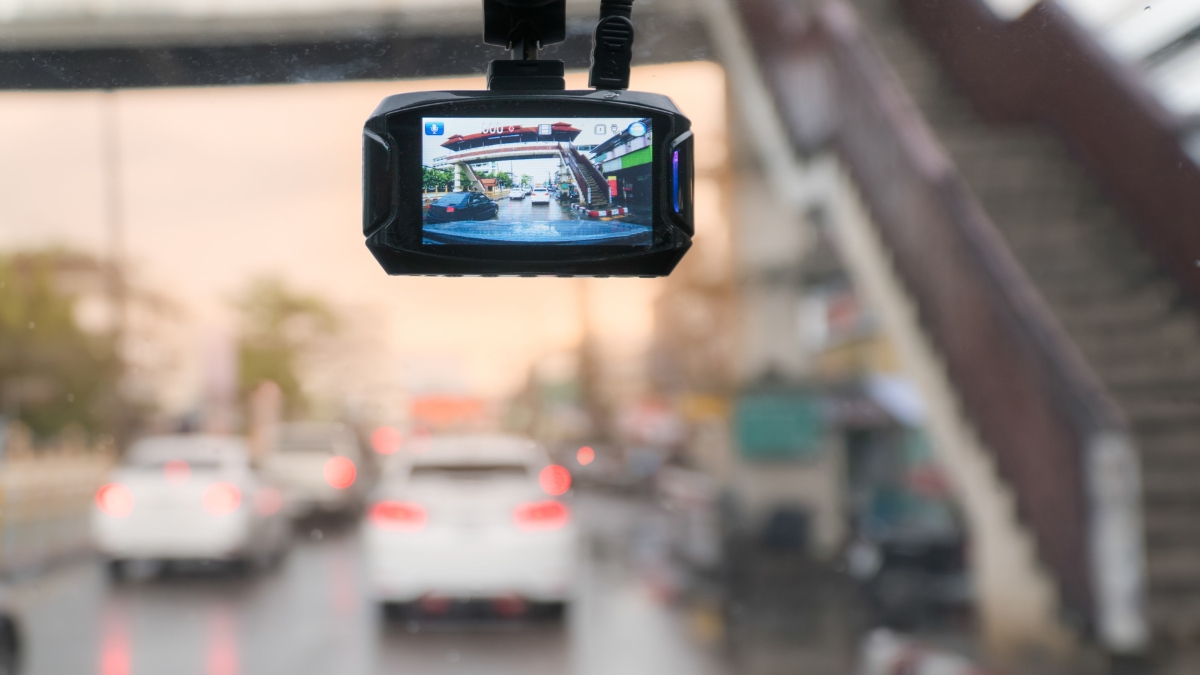
Video adds context that data alone may not provide.
A harsh brake tells a safety manager that something happened. Video can help explain why.
When fleets combine driving data with video, safety teams can distinguish risky behavior from appropriate defensive driving. They can identify distractions, following-distance problems, recurring near misses, or other situations that deserve coaching.
Video can also reinforce what drivers do well. Recognizing a driver who reacts correctly to a hazard or avoids an incident sends an important message: fleet safety should reward good decisions, not simply document mistakes.
That balance matters. The goal is not surveillance. The goal is safer decisions behind the wheel.
How Telematics Helps Reduce Vehicle-Related Safety Risks
Yes. Preventive fleet safety also depends on the vehicle.
Connected fleet technology can surface diagnostic information, fault codes, maintenance alerts, and other vehicle-health signals that help teams identify developing issues earlier.
The principle is simple: do not wait for a breakdown to tell you there was a problem.
For a 300-plus vehicle fleet, consistency matters. One missed warning may create an inconvenience. The same gap repeated across hundreds of assets can create real operational exposure.
Preventive maintenance and preventive safety share the same mindset. Act on the warning, not the aftermath.
How to Build a Preventative Fleet Safety Program with Telematics
Technology alone does not create a safer fleet. Execution does.
First, fleets need a strong process. Safety, operations, maintenance, and leadership should establish clear expectations for which risks matter, who reviews alerts, when coaching occurs, and how results get measured. Just as importantly, teams should communicate openly and continuously improve that process as conditions change.
Next, organizations need solutions built around their operation. Vehicle types change. Routes change. Business priorities evolve. Risk thresholds may need refinement. Fleet safety programs need enough flexibility to respond to those realities instead of forcing every operation into the same template.
Finally, fleets need accountability. Devices need to report correctly. Dashboards need accurate configuration. Alerts need to reach the right people. Coaching workflows need follow-through. No detail is too small when that detail influences a safety decision.
That is how telematics stops being another dashboard and starts becoming part of an active risk-reduction strategy.
Which Fleet Safety Metrics Should Leaders Track?
Start with the behaviors that happen before an incident. Monitor:
- Speeding Events: Frequency of speeding incidents per driver or distance traveled.
- Harsh Driving Events: Rates of hard braking, rapid acceleration, and aggressive maneuvers.
- Driver Safety Scores: Trends in individual and fleet-wide driving performance.
- Repeat Safety Violations: Frequency of recurring risky behaviors after corrective action.
- Vehicle Maintenance Alerts: Number of unresolved diagnostic or safety-related maintenance concerns.
Then ask better questions.
Are repeat behaviors declining? Which teams or regions show the most improvement? Is coaching changing behavior? Which risks keep coming back? Are alerts reaching someone who can actually act on them?
A dashboard should not be the final destination for safety data. It should be the beginning of a decision.
How Fleets Can Move From Reactive to Preventative Safety
Stop accepting the idea that a crash has to happen before there is something worth investigating.
The warning signs may already exist.
Telematics gives fleets the visibility to find those signals earlier. Strong processes turn information into action. Responsive solutions keep the program aligned with changing operations. Detailed execution makes sure the data leaders depend on reflects what is actually happening in the field.
Reactive safety asks, “What happened?”
Preventive safety asks the more valuable question:
“What can we prevent next?”
For medium and large fleets across North America, fssGO helps organizations turn fleet technology into a system that supports safer, smarter operations from deployment through ongoing optimization.
Visit fssGO.com to learn how we can help your fleet move from reactive risk management to preventive action.